AIR POLLUTION
The problem of air pollution has become a worldwide phenomenon. Experiences of many countries have shown that if left unabated,
air pollution does not only cause major health problems but also deaths. The 1952 London smog claimed the lives of 4,000 people. Air pollution levels
in Metro Manila reached alarming levels. Consider the findings of the 1991-1992 Asian Development Bank study which showed that the total suspended
particulates TSP exceeded World Health Organization (WHO) guidelines by as much as five times, particulate matter of 10 microns or less in
diameter (PM10) were three times the guidelines, and lead levels went as high as two times the guidelines.
DENR monitoring data in year 2000 showed that TSP levels were two times the annual average guideline value but were within the standards,
with the complete phase out of leaded gasoline in the country. Monitoring by the DENR field offices also shows the air quality in many of our
urban centers is deterioating fast. According to a World Bank study, about 80% of the Metro Manila residents are exposed to levels of TSP which
exceeded the standards. This has had adverse health impacts. Findings of the UP college of Public Health show that the incidence of bronchitis
among children in Metro Manila is 11 times the national average. Results of monitoring of the incidence of chronic cough, chronic phlegm,
wheezing and shortness of breath among jeepney drivers, representing 32% of the subjects, are the most exposed.
Air pollution has indeed become a serous problem. While efforts had been undertaken in the past to address this problem, the passage of the
Clean Air Act in 1999 marks a milestone since it provides a comprehensive and integrated policy for air quality management...........
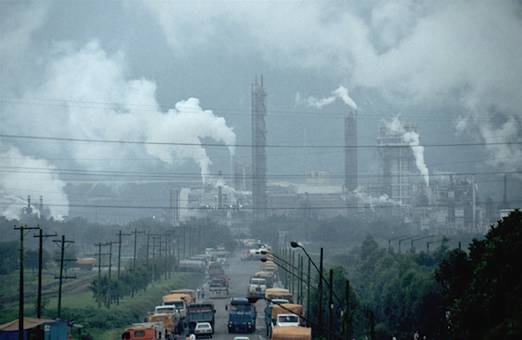
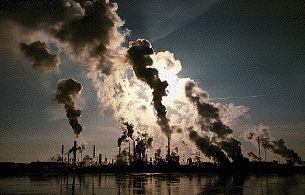
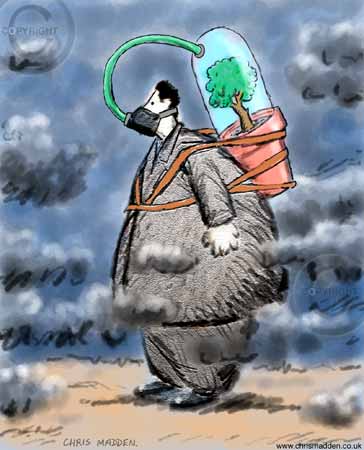
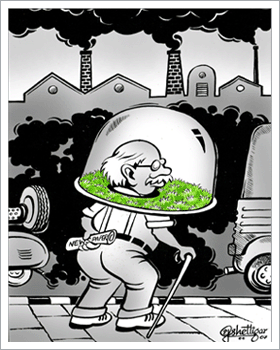
DIFFERENT PICTURES OF AIR POLLUTION